
Yom Kippur, the Day of Atonement, stands as one of the holiest days in the Jewish calendar. Observed with fasting and intense reflection, it marks a time for individuals to seek forgiveness and renew their spiritual commitments. As the sun sets on this solemn day, many people wonder when Yom Kippur officially concludes.
Understanding the timing of this sacred observance not only helps in planning post-fast meals but also enriches the spiritual experience. Yom Kippur ends at nightfall, but the exact moment can vary based on location and the time of year. This article delves into the specifics of when Yom Kippur ends, ensuring that everyone can fully embrace this important occasion.
Understanding Yom Kippur
Yom Kippur, known as the Day of Atonement, holds profound significance in the Jewish faith. It reflects on self-examination, repentance, and reconciliation among individuals and with God.
Significance of Yom Kippur
Yom Kippur represents the culmination of the Ten Days of Awe, a period of introspection and spiritual preparation. It aims to achieve forgiveness and atonement for sins committed throughout the year. During this day, individuals seek to restore their relationships with both God and fellow human beings. The observance emphasizes ethical behavior, humility, and sincere remorse, fostering a strong sense of community and spiritual renewal.
Traditional Observances
Traditional observances of Yom Kippur include a 25-hour fast, beginning at sunset. Participants refrain from food, drink, and various physical comforts to reflect and pray. Additional customs involve attending synagogue services, reciting special prayers like the Kol Nidre and Neilah, and engaging in communal worship. The closing of Yom Kippur includes a final shofar blast, signaling the end of the fast and a return to daily life. Each observance reinforces the day’s themes of repentance, reflection, and renewal.
When Does Yom Kippur End?
Yom Kippur concludes at sundown on the tenth day of Tishrei, but exact timings depend on geographical location and season. Understanding the precise end time enhances participants’ observance and transition back to daily life.
The Timing of the Fast
The fast of Yom Kippur begins at sunset on the ninth day of Tishrei and lasts for approximately 25 hours, ending just after nightfall on the tenth day. In practical terms, the fast concludes when three stars appear in the sky. This moment varies by location; for example, in New York City, Yom Kippur typically ends around 6:45 PM, while in Los Angeles, it may conclude closer to 6:55 PM. Checking local sunset times ensures accurate observance.
Cultural Variations in Ending Times
Cultural practices regarding the end of Yom Kippur differ among Jewish communities. In some traditions, the conclusion of the fast is marked with a specific prayer called the “Havdalah,” which distinguishes the sacred from the ordinary. Some communities also celebrate with communal meals, varying in timing. For instance, Sephardic Jews may conclude the fast later than Ashkenazi counterparts, reflecting regional customs and interpretations. Being aware of these cultural differences promotes greater appreciation of the day’s significance.
Celebrations After Yom Kippur
After Yom Kippur concludes, many engage in celebrations that mark the return to everyday life. These festivities hold deep significance within the Jewish community, reflecting themes of renewal and togetherness.
Breaking the Fast
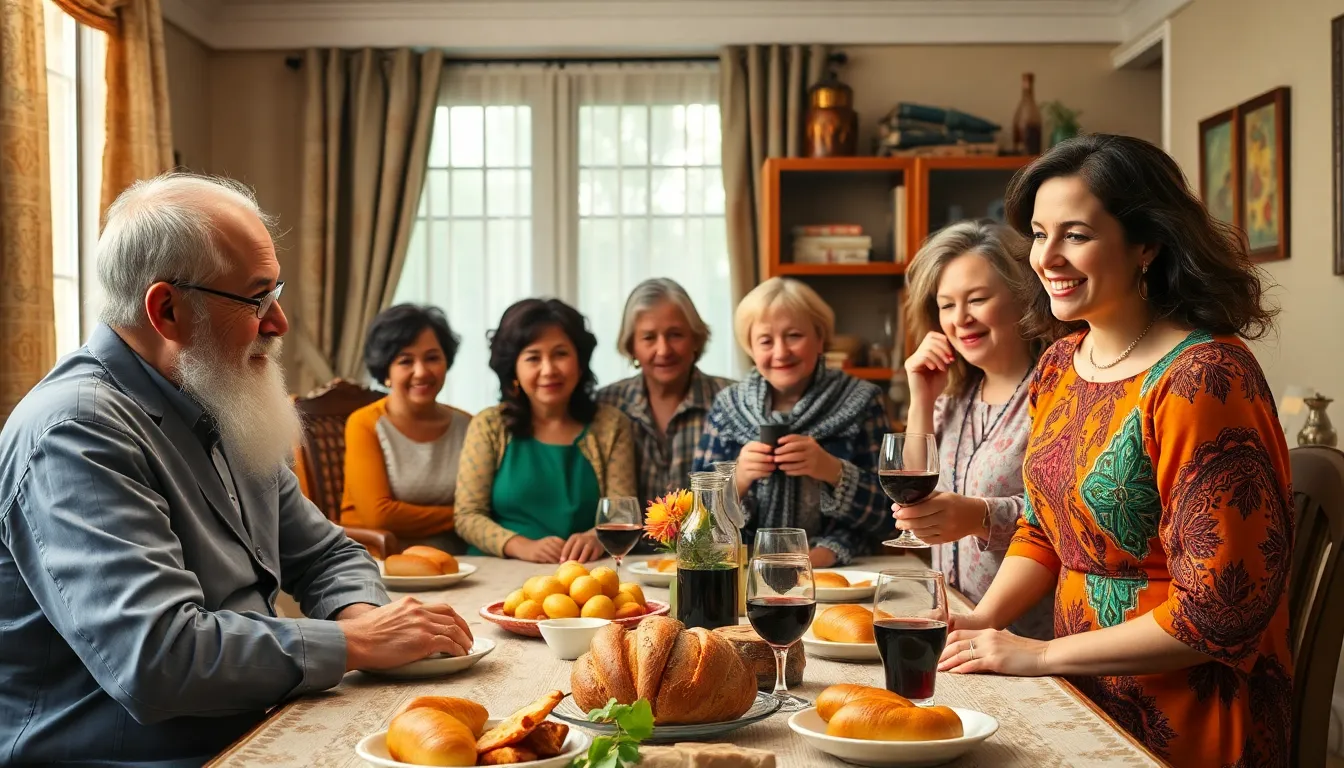
Breaking the fast typically involves a communal meal shared among family and friends. Traditional foods like bagels, cream cheese, lox, kugel, and sweet pastries often grace the table. Many families prepare special dishes ahead of time, emphasizing the joy of reuniting after the solemn day. Some communities organize larger gatherings or potlucks, fostering a sense of unity in breaking the fast together. The enjoyment of food symbolizes not only the end of fasting but also the beginning of renewed relationships and spiritual commitments.
Community Gatherings
Community gatherings occur frequently after Yom Kippur, allowing individuals to connect and celebrate together. Many congregations host festive meals, where attendees share stories and experiences from the High Holy Days. These events feature social activities, music, and communal prayers, promoting camaraderie and support among community members. Engaging in these gatherings reinforces collective identity and strengthens bonds formed during the Days of Awe.
Yom Kippur holds immense significance in the Jewish faith as a day of atonement and reflection. Understanding when it ends not only aids in planning but also enriches the overall spiritual experience. As the fast concludes with the appearance of three stars in the sky communities come together to celebrate the return to everyday life.
Breaking the fast is a cherished tradition marked by communal meals and shared stories. This moment fosters connections among family and friends while reinforcing the themes of renewal and unity that Yom Kippur embodies. Embracing these practices enhances the collective spirit and deepens the meaning of this sacred day.